Welcome to the space page! On this page we will tell you of up coming events in the nights sky, along with giving you new facts and fantastic photos.
Stargazing tips for beginners
What you’ll need
your eyes
a clear night
optional: binoculars
If you don’t have a telescope the next best thing is binoculars or your eyes you don’t really need anything wizzy to see the stars. A good place to start is to find out about different constellations like the plough and Orion are easy to spot once you know what to look for. If your really lucky you might see a meteorite (shooting star).
How to identify some simple constellations
how to spot Orion
you can easily identify Orion by the three stars going vertically. This is Orion’s belt
how to spot the plough
the plough is shaped a little like a saucpan four stars in the shape of a square the a handle made of three stars. You’ve then found the back and head of the great bear.
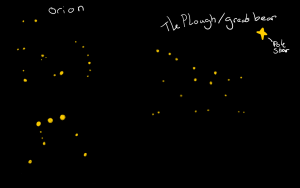
how to find the pole star
once you’ve found the plough (or great bear) it’s pretty easy to find the pole star. Once you’ve found the “saucepan ” go to the end of the “saucepan” and go up from there you’ll sea bright star that’s the pole star.
01/01/18
You may have noticed that the moon (below) seemed a little brighter than usual this was to do with it being a” super moon “. The moon was nearer than usual which meant it looked bigger and brighter.
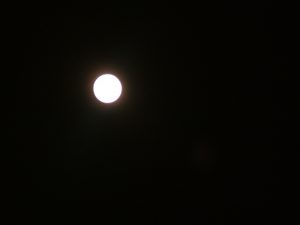
Moon Fact
1737 km is how big the moon is!
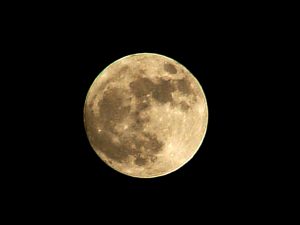
Here is the “Super Moon ” in close up. If you look carefully in the bottom right there is Tycho (looks a little like a fire work). Tycho is a crater that when it was made splayed out like dropping a stone on to dry sand. It usually leaves a dent where the stone was dropped along with a few lines coming from the dent where the sand was pushed out of the way*. We think Tycho is a reasonably new crater as when you look at photos of the moon in much more detail you can see how it’s over lapping some other craters. Tycho crater is estimated to be around 108 million years old which for a crater is quite young. The oldest (and biggest) crater is 4.3 billion years old and is called Aitken basin. Aitken basin was created only a few hundred million years after the moon its self was formed!
*you can experiment yourself by filling a tray with flour and dropping marbles into the flour try from different heights to get different sized “craters”.